
Leading Solutions For Storm Restoration To Speed Up Repairs
Identify essential products that help streamline the restoration process and minimize downtime after storms.
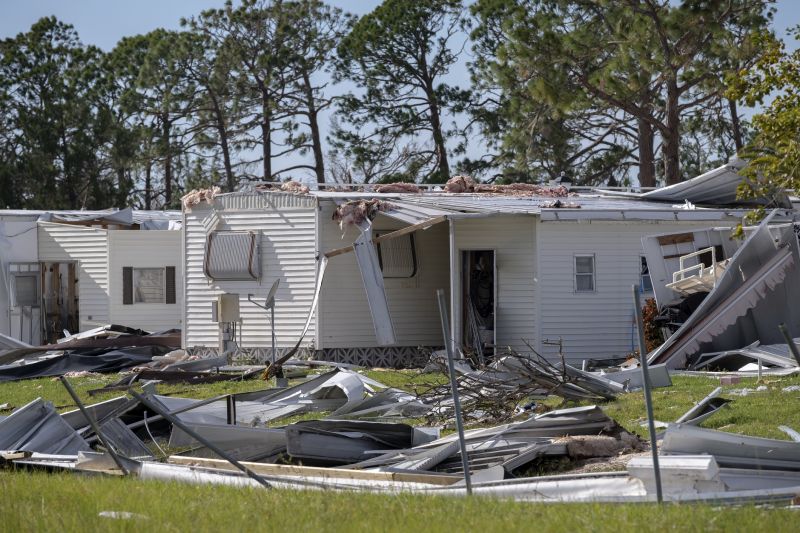 Storm restoration is a critical process for restoring safety and functionality to properties affected by severe weather events. When storms strike, they can cause a wide range of damages, including roof leaks, fallen debris, broken windows, and compromised structural elements. Effective storm restoration involves a combination of specialized products designed to address these issues efficiently and safely. From temporary protective coverings to long-term repair materials, the right tools and supplies can make a significant difference in the restoration process.
Top Overall Option
Heavy-Duty Weatherproof Tarp
A versatile heavy-duty weatherproof tarp serves as a primary protective layer during storm restoration. It provides temporary coverage for damaged roofs, broken windows, and exposed areas, helping to prevent further water intrusion and debris entry. Made from durable, tear-resistant materials, these tarps are designed to withstand harsh weather conditions, making them a reliable choice for emergency protection and interim repairs.
Types of Products For Storm Restorations
Storm-Resistant Roofing Materials
Includes impact-resistant shingles, metal roofing, and reinforced roofing panels designed to withstand severe weather conditions.
Temporary Protective Coverings
Tarp sheets, plastic sheeting, and other coverings used to shield damaged areas from further weather exposure.
Sealants and Waterproofing Compounds
Sealants, caulks, and waterproofing membranes that help prevent leaks and water intrusion in damaged structures.
Structural Reinforcement Products
Laminates, braces, and fasteners used to strengthen compromised frameworks and support repairs.
Debris Removal Tools
Heavy-duty rakes, shovels, and debris bags designed for efficient cleanup after storm damage.
Window and Glass Protection
Impact-resistant window films, storm shutters, and boarding materials to secure glass surfaces.
Roofing Underlayment
Waterproof underlayment materials that provide an additional layer of protection beneath roofing surfaces.
Gutter and Drainage Supplies
Heavy-duty gutters, drain covers, and splash blocks to manage water runoff effectively.
Heavy-Duty Hardware
Nails, screws, anchors, and fasteners designed for secure repairs in storm-damaged structures.
Generators and Power Supplies
Portable generators and power sources to support restoration work during power outages.
Safety Equipment
Protective gear such as gloves, helmets, goggles, and harnesses for safe restoration practices.
Lighting Solutions
Weather-resistant work lights and portable illumination for working in low-light conditions.
Moisture Meters
Devices for detecting moisture levels in walls, floors, and structures to guide drying and repair efforts.
Fireproofing Materials
Fire-resistant barriers and coatings used in vulnerable areas during restoration.
Insulation and Barrier Materials
Insulation panels and barriers to help restore energy efficiency and prevent further damage.
Popular Choices
Widely used for temporary protection of damaged roofs and openings, offering durability and weather resistance.
Popular for securing glass surfaces against shattering during storms.
Commonly chosen for added window protection in storm-prone areas.
Frequently used to seal leaks and reinforce damaged roofing components.
Effective for quick cleanup after storm debris has accumulated.
Valued for providing power during outages and supporting restoration tools.
Popular for securing entry points against storm force impacts.
Chosen to prevent clogging and manage water flow efficiently.
Essential safety gear for workers involved in storm damage repair.
Trusted tools for assessing water intrusion and guiding drying efforts.
Commonly used for illumination during storm cleanup activities.
Frequently employed to stabilize compromised structures temporarily.
Popular for sealing and protecting surfaces after initial repairs.
Widely used as an additional layer of protection beneath roofing materials.
In Broomfield, CO, where weather conditions can be unpredictable, having access to reliable storm restoration products is essential. These products are used by professionals and homeowners alike to mitigate damage, secure properties, and begin the repair process promptly. It is important to select high-quality, durable items that can withstand the challenging conditions often encountered during storm recovery efforts.
Understanding the variety of available products helps ensure that you have the right tools for each phase of restoration. Whether it is tarps for temporary coverage, sealants for leaks, or heavy-duty hardware for structural repairs, each item plays a vital role in the overall process. Proper selection and use of storm restoration products can help minimize further damage and facilitate a smoother recovery experience.
Investing in the appropriate storm restoration supplies also means considering factors such as ease of use, weather resistance, and compatibility with existing structures. Being prepared with the right products can help reduce downtime and improve safety during the restoration process. With a comprehensive approach, property owners and restoration professionals can better manage storm-related damages and restore properties efficiently and effectively.
Key Buying Considerations
- Durability and weather resistance of the product material
- Ease of installation and handling, especially for temporary coverings
- Compatibility with existing structures and materials
- Size and coverage area to ensure sufficient protection
- Waterproofing and sealing capabilities for leak prevention
- Impact resistance, especially for window protection products
- Flexibility and adaptability for different repair scenarios
- Availability of replacement parts or accessories
- Storage and transportation convenience for large or bulky items
- Compliance with safety standards and regulations
- Product reviews and user feedback for reliability insights
- Cost-effectiveness relative to the scope of restoration needs
- Manufacturer reputation and warranty options
- Environmental conditions typical of the location, such as wind or snow loads
- Compatibility with other storm mitigation or repair systems