
Optimal Timing for Storm Restorations
Storm restorations are most effectively performed during periods of stable weather, typically outside of storm seasons. Optimal timing ensures that repairs are durable and minimizes the risk of additional weather-related damage.
This period often experiences unpredictable weather, making it less ideal for storm restorations due to potential rain and wind disruptions.
Late summer and fall are generally considered the best times for storm restorations, as weather tends to be more stable, reducing delays and complications.
Winter can pose challenges due to snow, ice, and cold temperatures, which may hinder repair work and affect material performance.
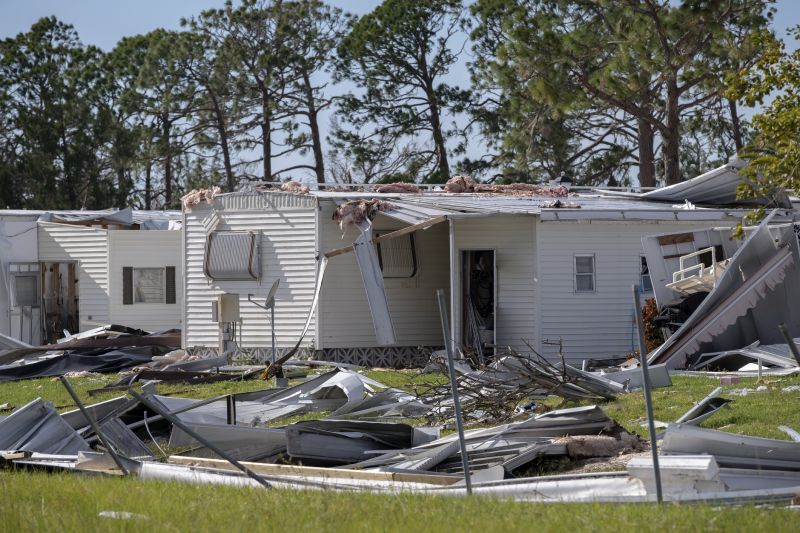
Restoring properties after storm damage requires timely intervention, ideally during favorable weather conditions.
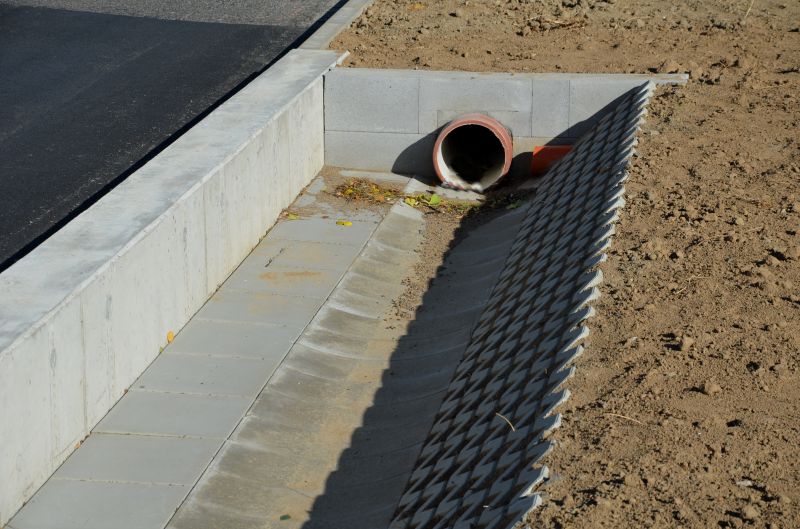
Weather patterns significantly influence the scheduling and success of storm restoration projects.
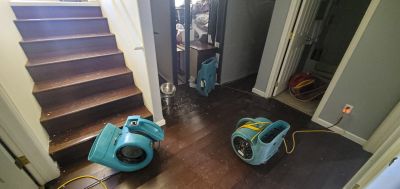
Proper equipment and materials are essential for effective storm damage repairs, especially during optimal weather periods.

Rapid response during suitable weather windows can reduce long-term damage and repair costs.
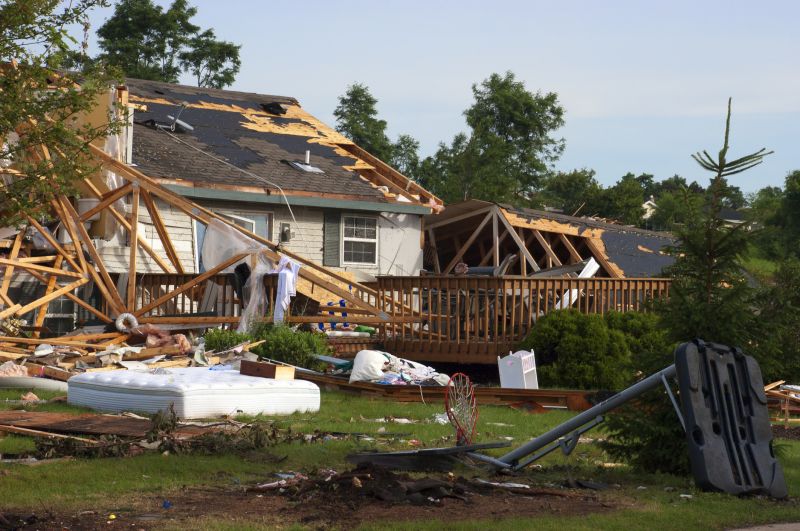
Assessments are best conducted when weather conditions are clear to accurately determine damage extent.

Planning restoration projects during stable weather ensures smoother execution and timely completion.
| Season | Optimal Timing for Storm Restorations |
|---|---|
| Spring | Less ideal due to unpredictable weather |
| Summer | Potential for storms, but manageable in late summer |
| Fall | Most suitable due to stable weather patterns |
| Winter | Challenging because of snow and cold temperatures |
Storm restorations involve repairing damages caused by severe weather events such as high winds, hail, and heavy rain. Timely repairs are crucial to prevent further deterioration and protect property value. Proper assessment and planning during favorable weather conditions can lead to more efficient and long-lasting results. Statistics indicate that early intervention during suitable seasons can reduce repair costs by up to 30 percent and decrease project duration.
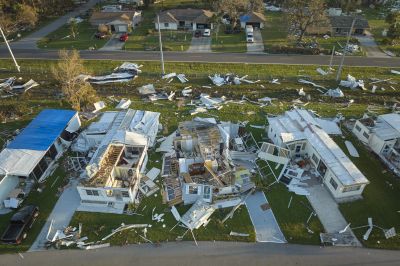
Evaluating damage during clear weather ensures accurate repairs.
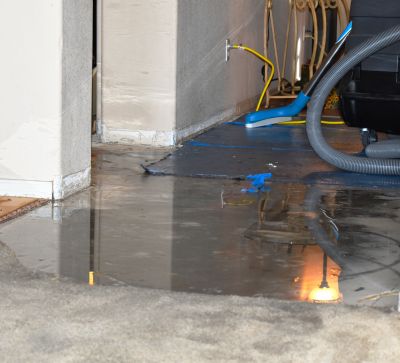
Advanced tools facilitate efficient repairs during optimal conditions.
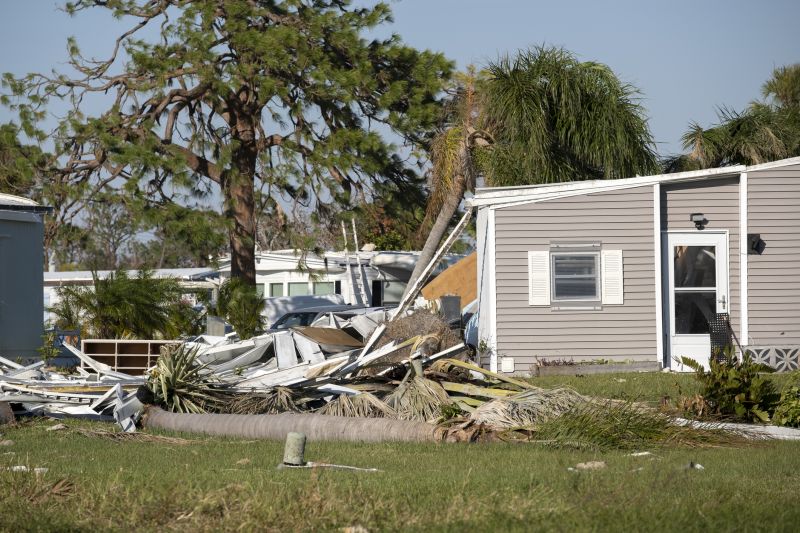
Restoration work is most effective when scheduled during stable weather periods.
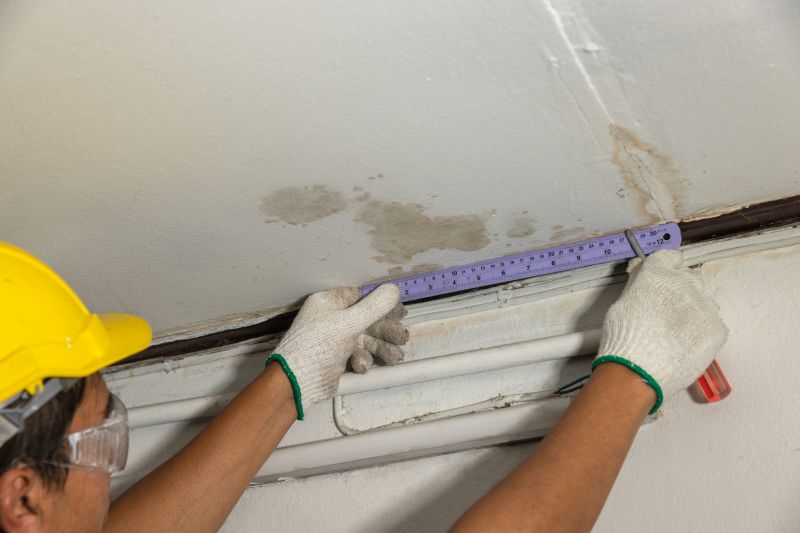
Thorough inspections help plan effective restoration strategies.
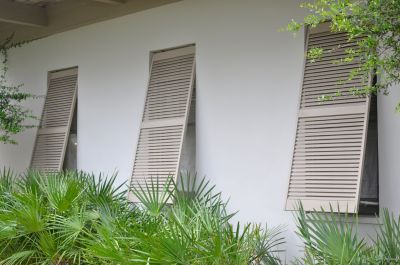
Ways to make Storm Restorations work in tight or awkward layouts.

Popular materials for Storm Restorations and why they hold up over time.

Simple add-ons that improve Storm Restorations without blowing the budget.
High-end options that actually feel worth it for Storm Restorations.
Interested property owners can contact for detailed assessments and scheduling. Proper timing and preparation are essential for effective storm restoration projects, ensuring durability and compliance with local standards.